The Complete Guide to Monitoring Competitors on Social Media in 2026
Feb 10, 2026
6 min

Staying ahead in today's competitive landscape requires a strategic approach, which is exactly what this step-by-step guide to monitoring competitors on social media will help you achieve.
We recommend starting with a systematic weekly review of your competitors' social media activity across platforms where they're most active. Identify your direct rivals, content competitors, and market disruptors, then dedicate 30 minutes each week to tracking their posting frequency, content formats, and engagement metrics like likes, comments, and shares.
Document these patterns in a spreadsheet, noting which posts perform best and when they're scheduled. This approach helps you spot content gaps, benchmark your performance against theirs, and adapt strategies that outperform their efforts while staying within legal and ethical monitoring boundaries.
When monitoring competitors on social media, you'll discover patterns that inform everything from content creation to media platform selection. Contact LevelUp Society & Co., a leading social media agency Miami businesses trust, to learn how our expert team can help you implement a comprehensive competitor monitoring strategy that drives real results.
Key Takeaways
Identify direct rivals, content competitors, and disruptors using tools like Semrush, G2, and customer feedback analysis.
Select monitoring platforms based on your industry: LinkedIn and Twitter for B2B, Instagram and TikTok for B2C.
Dedicate 30 minutes weekly to review competitors' posts, tracking engagement metrics in a dedicated spreadsheet.
Analyze content formats, posting times, and themes that generate highest engagement rates across competitor accounts.
Monitor only public information and respect privacy settings to maintain ethical and legal compliance standards.
Why You Need to Monitor Competitors on Social Media
While your competitors post, comment, and engage with audiences online, they're revealing far more than they realize. Monitoring competitors on social media gives you valuable insights into what's working in your industry right now.
You'll discover which content strategies generate the most interaction and which posts fall flat. By tracking engagement metrics across competitor profiles, you can benchmark performance against your own results. This comparison highlights where you're excelling and where you need improvement.
You'll also spot emerging trends before they become mainstream, allowing you to adapt quickly rather than play catch-up later. Even more importantly, you'll learn from their missteps. When competitors launch campaigns that don't resonate, you gain knowledge without the cost.
This competitive intelligence helps you refine your approach, create more compelling content, and connect with audiences more effectively than brands operating blindly.
Find Your Real Competitors: Direct Rivals, Content Competitors, and Disruptors
Before you start tracking what your competitors do on social media, you need to know exactly who they are. Your competitive landscape includes three distinct groups that demand your attention.
Direct rivals offer similar products and target your exact audience. These companies form your primary competition for social media monitoring efforts.
Content competitors create engaging material that captures your audience's attention, even without selling identical products. Think industry blogs, influencers, and media outlets in your niche.
Disruptors introduce innovative business models that challenge traditional market dynamics. These startups can threaten your position despite different approaches.
To identify competitors effectively, use tools like Semrush for keyword rankings and G2 for product comparisons. This competitive intelligence reveals who's winning audience attention online.
Don't overlook customer feedback—it often uncovers alternatives you haven't considered. Ask your audience which brands they research before choosing yours. This insight completes your competitive picture for social media monitoring.
Choose Which Social Media Platforms to Monitor Based on Your Industry
Not every social media platform deserves your attention when monitoring competitors, and we'll help you focus your efforts where they matter most.
Your industry type—whether B2B, B2C, or niche—directly determines which platforms will give you the most valuable competitive insights.
Let's examine how to match your monitoring strategy to the platforms where your competitors and target audiences actually engage.
Industry-Specific Platform Selection
Choosing the right social media platforms to monitor depends heavily on your industry and target audience. We've found that B2B companies achieve the best engagement rates on LinkedIn and Twitter, where professional content and thought leadership thrive. For B2C brands, Instagram and TikTok excel at visual storytelling, driving brand awareness through creative, short-form content. Here's a breakdown of industry-specific platforms:
Industry Type | Primary Platforms | Secondary Platforms |
|---|---|---|
B2B | LinkedIn, Twitter | Facebook, YouTube |
B2C | Instagram, TikTok | Facebook, Pinterest |
Visual/DIY | Pinterest, Instagram | TikTok, YouTube |
Niche Communities | Reddit, Discord | Industry Forums |
Youth-Focused | TikTok, Instagram | Snapchat, YouTube |
Focus your monitoring efforts on social networks where your competitors actively engage their audience, rather than spreading resources across irrelevant platforms.
B2B vs B2C Priorities
When you're selecting platforms to monitor competitors, the B2B versus B2C distinction fundamentally changes your strategy.
We've found that each business model thrives on different social media platforms where their audiences naturally congregate and engage with industry trends.
B2B Platform Priorities:
LinkedIn and Twitter – These platforms dominate professional networking and thought leadership, making them essential to monitor competitor strategies and engagement patterns.
Industry-Specific Communities – Reddit and HackerNews offer targeted discussions where tech and niche B2B companies can track specialized conversations.
Professional Forums – Sector-specific platforms provide deeper insights into how competitors position themselves within specialized markets.
For B2C brands, you'll want to prioritize Instagram and TikTok, where visual storytelling drives consumer purchasing decisions.
Pinterest works exceptionally well if you're marketing visual products or DIY content.
Niche Community Platform Opportunities
Beyond the mainstream platforms, you'll discover untapped opportunities for competitor intelligence within niche communities where your specific industry congregates.
Platforms like Reddit and HackerNews excel at fostering industry-specific discussions that reveal competitor strategies and audience pain points. If you're selling visual products such as home decor or fashion items, Pinterest becomes essential for monitoring how competitors drive discovery and inspiration.
We recommend evaluating niche platforms based on direct relevance to your brand targeting goals. Community interaction on these specialized channels often runs deeper than mainstream alternatives, providing richer insights into customer preferences and competitive positioning.
However, avoid spreading resources across irrelevant platforms. Focus your monitoring efforts where your competitors actively engage with your shared audience, ensuring maximum return on your competitive intelligence investment.
Essential Tools for Social Media Monitoring and Competitor Research
To effectively monitor competitor activity and gather competitive intelligence, you'll need the right combination of media monitoring tools. We recommend starting with these proven platforms that streamline competitor analysis:
Hootsuite offers comprehensive media management capabilities, allowing you to track competitor feeds across multiple media platforms simultaneously. Its dashboard consolidates on-demand social media analytics that help you monitor your competitors' posting schedules and engagement patterns.
Semrush excels at competitor benchmarking and SEO analysis, revealing which keywords drive traffic to competitor profiles. This competitive analysis tool helps you understand content performance beyond surface-level metrics.
For automation, Zapier connects your monitoring tools to create automated workflows that alert you when competitors post specific content types. This integration enables you to use social feeds more efficiently without constant manual checking.
These tools support media monitoring at scale, transforming raw data into actionable competitor intelligence. When you monitor competitor feeds systematically, you gain insights that would take hours to collect manually. The key is choosing tools that align with your competitor monitoring goals and budget constraints.
Set Up a Weekly 30-Minute Competitor Monitoring System
A systematic approach to competitor monitoring prevents information overload while keeping you informed about market movements.
We recommend dedicating just 30 minutes weekly to social media monitoring of your competitors. This focused timeframe keeps you efficient while gathering valuable intelligence for your content strategy.
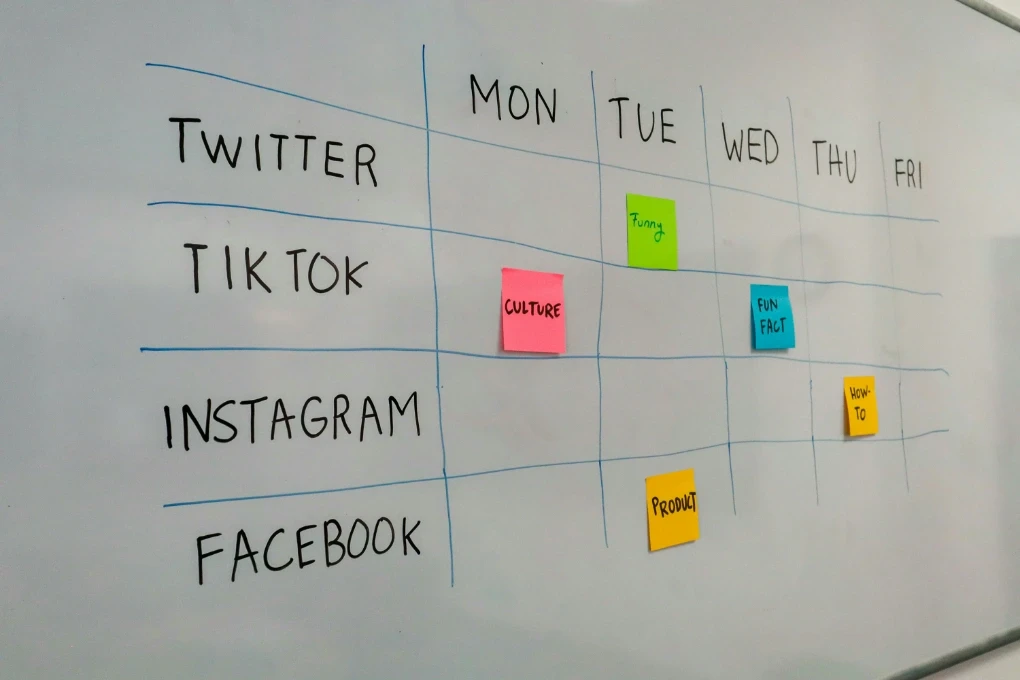
Here's how to structure your weekly competitor analysis on social:
Review Recent Posts: Examine your competitors' latest content across platforms, noting which posts generate the highest engagement metrics like comments, shares, and likes.
Document Performance Patterns: Record trends in posting times, content formats, and messaging approaches that consistently drive audience interaction.
Share Team Insights: Distribute your findings through email or Slack to inform your team's strategic decisions.
Create a dedicated spreadsheet with tabs for each competitor's profiles, linking directly to their accounts for quick access.
Track engagement metrics systematically to identify what's working in your industry. Adjust your monitoring focus based on competitive activity and emerging trends.
What to Track: Content Formats, Engagement Patterns, and Posting Frequency
We'll focus on three essential elements that reveal how your competitors attract and retain their audiences.
By tracking content formats, engagement patterns, and posting frequency, you can identify which strategies work best in your industry.
These metrics provide concrete data that helps you refine your own social media approach and compete more effectively.
Analyzing Content Format Types
Understanding what competitors post—and how their audiences respond—reveals critical patterns that can reshape your social media strategy.
When analyzing content formats, you'll discover which types generate the strongest response from your target market. Track engagement patterns across images, videos, polls, and infographics to identify what resonates most effectively.
Here's how to evaluate content format performance:
Document format variety - Record the mix of visual content, video posts, and interactive elements competitors use regularly.
Measure engagement rates - Compare likes, comments, shares, and saves across different format types to spot clear winners.
Map formats to platforms - Note how Instagram visuals perform differently than LinkedIn professional insights.
This social media monitoring approach helps you understand posting frequency, peak posting times, and content themes that drive meaningful interaction with audiences.
Measuring Engagement Rate Metrics
When you measure engagement rate metrics systematically, you'll uncover the precise signals that separate high-performing content from posts that fall flat.
Start by tracking how different content formats perform across competitor accounts. Videos typically generate higher engagement rates than static posts, while polls drive immediate interaction.
Next, analyze engagement patterns by examining when competitors post and which times yield the strongest responses. You'll notice whether brands maintain steady posting frequency or spike during campaigns.
This competitor analysis reveals strategic scheduling choices you can adapt. AI tools streamline this process by automatically calculating engagement rates and identifying trends across multiple accounts.
Tracking Post Timing Patterns
Strategic timing separates social media posts that generate momentum from those that disappear into the void.
When you track your competitors, timing patterns reveal when their audiences are most active and responsive. We can use social media analytics tools to identify these windows of opportunity and apply successful strategies to our own content calendar.
To understand timing patterns effectively, we should monitor:
Peak engagement hours when likes, comments, and shares reach maximum levels across different platforms.
Day-of-week performance showing which days generate the strongest audience response for specific content types.
Posting frequency patterns indicating how often competitors publish without overwhelming their followers.
Map Competitor Content to Awareness, Consideration, and Conversion Stages
As you monitor your competitors' social media activity, categorizing their content by funnel stage reveals patterns in how they guide audiences from discovery to purchase.
Start by identifying awareness stage posts that feature thought leadership articles, brand stories, and educational content designed to attract new followers.
Next, examine consideration stage material like product tutorials, comparison charts, and value propositions that help prospects evaluate options.
Finally, analyze conversion stage content including customer testimonials, case studies, and limited-time offers that prompt immediate action.
Your monitoring strategy should track engagement metrics for each category to understand what resonates most effectively.
Use benchmarking platforms to assess how competitors balance their content across these stages.
This analysis reveals gaps in their approach and opportunities for your brand.
When competitor content heavily favors one stage, you'll spot chances to differentiate your strategy and capture underserved audience segments at other funnel points.
Benchmark Your Social Performance Against Competitor Metrics
Because your social media efforts exist within a competitive ecosystem, you can't measure success in isolation. We need to benchmark our social performance against competitor metrics to understand where we truly stand. This process reveals content gaps and shows us exactly how our engagement rates compare to industry leaders.
To create effective benchmarking reports, follow these essential steps:
Track core metrics including engagement rates, share of voice, and audience growth velocity across all platforms.
Deploy AI-powered tools that automatically monitor competitor performance and deliver real-time trend analysis.
Schedule monthly reviews to assess changes in your competitive position and adjust strategies accordingly.
When we systematically compare our metrics against competitors, we identify specific opportunities for improvement. This data-driven approach transforms guesswork into strategic decision-making.
You'll discover which content types resonate most with your shared audience and where competitors are gaining ground, enabling proactive rather than reactive social media management.
Spot Content Gaps Competitors Miss Through Competitor Analysis
While your competitors post content regularly, they're likely leaving significant opportunities on the table that you can claim. Through social media monitoring and competitive analysis, you can identify gaps in their content strategy that represent your competitive advantage.
Start by analyzing what topics and formats your competitors aren't covering, such as educational tutorials or thought leadership pieces.
Use AI-powered tools to track engagement metrics across platforms and spot where your competitors' content falls short. You'll discover platform blind spots where they maintain minimal presence, giving you room to dominate those channels with targeted content.
Pay attention to posting frequency and timing patterns to find windows where audience engagement remains unserved.
Additionally, conduct sentiment analysis on competitors' content to pinpoint areas receiving negative feedback. When you identify gaps where competitors struggle or remain silent, you can step in with solutions that address those specific pain points and capture their dissatisfied audience.
Turn Competitor Research Into Content That Outperforms Theirs
Once you've gathered intelligence on your competitors' social media performance, you need to transform those insights into content that captures more attention and engagement.
Social media competitor analysis isn't valuable until you apply it to improve your strategy and strengthen brand perception.
When you monitor your competitors, important metrics to track reveal patterns you can leverage.
Here's how to convert research into superior content:
Enhance their successful formats – Take their top-performing post types and add deeper value through original research, better visuals, or more thorough information that addresses audience questions they missed.
Capitalize on timing patterns – Use their posting schedules to identify emerging trends, then publish your perspective first or with a unique angle that differentiates your approach.
Address unmet needs – Fill content gaps by creating resources that solve problems their audience expressed in comments but never received solutions for.
This strategic approach transforms competitive intelligence into content that consistently outperforms what currently exists.
What's Legal When Monitoring Competitor Social Media
We'll start with good news: publicly posted content on competitor social media accounts is completely legal to monitor and analyze.
When users share posts, photos, or videos with public settings, they're fundamentally publishing that information for anyone to see, including your business.
However, we need to establish clear boundaries between legitimate competitive research and practices that cross ethical or legal lines, especially regarding privacy settings and data collection regulations like GDPR.
Public Information Is Fair
Before we plunge into monitoring strategies, let's establish what's actually legal when you're keeping tabs on your competitors' social media presence.
Public information that competitors voluntarily share on social media is completely fair game for observation. When you use a monitoring tool to track competitors' social media activities, you're operating within legal guidelines and compliance standards as long as you focus on openly accessible content.
Here's what constitutes legitimate monitoring:
Posts and updates that competitors share publicly without privacy restrictions
Public comments and interactions on their social media profiles and pages
Openly available engagement metrics like follower counts and post reactions
Maintaining ethical standards means avoiding deceptive practices like fake accounts.
Transparency in your monitoring approach protects you from potential legal complications while gathering valuable competitive intelligence.
Ethical Boundaries to Respect
While public social media data remains fair game, crossing into unethical territory can damage your reputation and potentially expose you to legal liability.
We recommend establishing clear ethical boundaries for your social media monitoring practices and data handling. Never create fake accounts or impersonate individuals to access competitor information. Respect competitors' privacy settings—if content isn't publicly visible, don't pursue it.
Transparency in your monitoring practices helps maintain industry trust and organizational integrity. You must also consider legal frameworks like GDPR when handling personal data discovered through monitoring. Even publicly available information may contain personal data requiring careful handling under GDPR.
Frequently Asked Questions
How Do I Monitor Competitors' Private Social Media Groups or Communities?
We can't ethically access competitors' private groups, but we'll use Social Listening Tools for public content, conduct Community Engagement Analysis, perform Competitor Content Evaluation, track Brand Sentiment, and always follow Monitoring Ethics Considerations in our Private Group Strategies.
What Should I Do When a Competitor Blocks My Business Account?
We'll pivot to alternative platforms for competitor analysis, gathering audience insights and content inspiration through publicly available data. This approach lets us study their engagement strategies and brand reputation without directly accessing their blocked account.
How Can I Track Competitors' Paid Social Media Advertising Spend Accurately?
We'll use advertising tools like Meta's Ad Library and native social platforms' ad transparency features for competitor insights. These enable budget analysis and ROI measurement, helping us estimate spending patterns and campaign performance across different channels.
Should I Monitor International Competitors Even if I Only Operate Locally?
Yes, we'd hate for you to discover international market trends that could revolutionize your local insights analysis. Seriously though, monitoring global social media and competitor benchmarking strategies reveals industry best practices and regional engagement tactics you'll want locally.
How Do I Distinguish Between Genuine Engagement and Fake Followers?
We'll analyze engagement metrics like comment quality and follower demographics to verify audience authenticity. Genuine engagement shows meaningful conversations, while fake followers display suspicious patterns. Through careful social media analysis, we'll spot these red flags quickly.