How to Launch a Brand on Social Media in 2026
Feb 16, 2026
6 min

Launching a brand on social media requires more than creating profiles and posting content. It demands a real social strategy pre-launch—one that turns followers into customers. Most brands fail because they rush to publish without understanding their audience, choosing the right media platforms, or creating content that generates genuine excitement.
This guide walks you through five proven steps: researching your target audience, building a consistent brand identity, selecting the right platforms, creating a strong launch campaign, and tracking performance metrics to improve over time. Before you start thinking about individual posts, focus on building a foundation that positions your business for sustainable growth. Digital marketing works best when your social media presence is built on strategy, not guesswork.
If you're not sure where to start, LevelUp Society & Co. offers the local Social Media Miami expertise to turn your strategy into real results.
Key Takeaways
Research your target audience's demographics, pain points, and platform habits using analytics and social listening tools before you create anything.
Build a consistent brand identity with unified visuals, a distinct voice, and content that mixes educational, entertaining, and promotional posts.
Start on one or two platforms where your audience actually spends time, based on demographics and content type.
Create launch content using quality visuals, teaser campaigns, a unique hashtag, and user-generated content contests to build anticipation.
Monitor early metrics like engagement rate and follower growth, then adjust your posting times, formats, and strategy based on what you find.
Understand Your Target Audience and Their Social Habits
Before you create a single post or design your first graphic, you need to know exactly who you're trying to reach. Start by developing detailed buyer personas—capturing demographics, interests, and pain points. Around 72% of consumers prefer brands that personalize their marketing based on audience insights.
Next, identify which social media platforms your audience actually uses. Instagram skews younger—about 60% of its users are between 18 and 34—making it a better fit for brands targeting that demographic than Facebook. Use social listening tools like Brandwatch to track conversations happening around your category and understand what people care about before you start talking.
Your content strategy should align with your brand voice while addressing what actually resonates with your audience. Engagement metrics—likes, shares, saves, comments—across social media platforms will help you refine your approach over time. This data-driven foundation means your outreach connects from day one rather than after months of guessing. Consumer behavior on social media shifts constantly, so staying tuned to emerging trends keeps your strategy relevant.
Design a Teaser Campaign to Build Anticipation
A well-executed media campaign generates excitement before your official product launch date. Run it over two to four weeks, gradually revealing information about your product and creating a sense of mystery through strategic content seeding.
Behind-the-scenes content works particularly well here—give followers an insider look at your development process. Share glimpses of product creation, team preparations, or manufacturing details. It humanizes your brand and builds emotional investment before launch day arrives.
Seed early previews with micro-influencers and industry insiders who can carry your message to their networks. These early advocates generate organic buzz that extends your reach beyond your existing follower base. Their authentic testimonials carry more weight than traditional marketing, especially for a social media account that doesn't have a large audience yet.
Track engagement throughout the teaser campaign to identify which content types resonate most. Use that data to refine your approach as launch day gets closer. Monitor comments and direct messages to gauge sentiment and get ahead of questions.
Create a dedicated profile on each social media platform you've selected, with consistent branding across all channels. Your hashtag strategy should include a unique campaign identifier that followers can use to participate in conversations about your product launch. Encourage early adopters to share their excitement using your branded hashtag to build brand awareness before you officially go live.
Time your reveals strategically, building momentum that peaks on launch day. The final 72 hours before launch should feature your most compelling product previews—enough to create urgency that converts interested followers into active participants.
Build Your Brand Identity for Social Media
Your brand identity is the visual and verbal signature that makes your business recognizable and distinguishes you from competitors across every platform. Start by selecting a unified color palette, typography, and logo treatment that you'll apply consistently everywhere. Visual consistency builds recognition and trust with your audience.
Develop a distinct brand voice that reflects your values and resonates with your followers. Whether professional, playful, or educational, maintain that tone across all communications. Inconsistency here erodes trust faster than most brands realize.
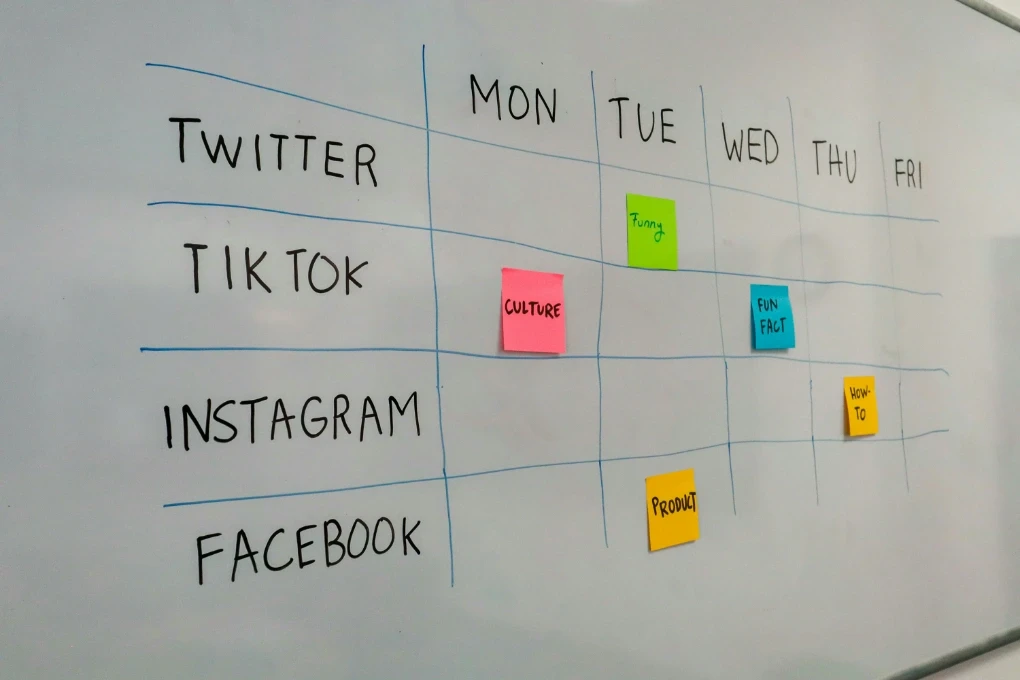
Your content strategy should support your visual and verbal identity through a balanced mix of educational, entertaining, and promotional posts. Use a content calendar to maintain regular posting frequency while keeping quality high. Profile images, cover photos, and story highlights should immediately convey your value proposition to anyone visiting your social media profile for the first time.
Create a visual system that goes beyond your logo. Specific fonts, color combinations, and graphic treatments should become synonymous with your brand. When followers scroll through their feeds, they should recognize your social media posts before reading a word. That's what brand recall actually looks like in practice.
Establish content pillars that reflect your values while serving your audience's needs. Balance promotional posts with educational material, entertainment, and behind-the-scenes content. This mix keeps followers engaged and positions your brand as a resource rather than just another business competing for their attention on social media.
Select the Right Platforms for Your Campaign
Once you've built a strong brand identity, the social media platforms you choose determine whether your message reaches the right people. Identify your target audience first—48% of Gen Z users favor TikTok, while 31% of baby boomers prefer Facebook. Use analytics tools to discover where your current followers engage most actively, then concentrate your digital marketing efforts there.
Consider what kind of content you'll be making. Visually-driven brands do well on Instagram and Pinterest. B2B companies tend to find better engagement on LinkedIn. Run a competitor analysis to see which social media platforms are delivering results for similar businesses in your space.
Start with one or two channels and build a real presence before expanding. This focused approach lets you develop a media strategy tailored to each platform's unique audience and norms—you'll build momentum faster than if you spread yourself across five platforms at once.
How Different Platforms Serve Your Campaign
Each platform has distinct advantages. Instagram is built for visual storytelling and works well for products with strong aesthetic appeal. TikTok reaches younger demographics through short-form video that values authenticity over polish. LinkedIn connects B2B businesses with decision-makers and industry professionals. Some brands also use social commerce features built into these platforms to sell products directly through their social media profiles, reducing friction between discovery and purchase.
Campaign performance varies significantly by platform and content type. Instagram users expect high-quality imagery and curated feeds. TikTok users engage more with raw, spontaneous clips. Facebook's older demographic responds better to informational content that provides clear value.
Platform algorithms also matter. Instagram rewards Reels and carousel posts with increased reach. LinkedIn amplifies posts that generate meaningful professional discussion. Understanding these patterns—and keeping up with digital trends—helps you create content that's built for each platform rather than just repurposed across all of them.
Test your messaging across your chosen social media platforms before committing fully to any one channel. Run small experiments to identify which platform gives you the best return on your time and marketing budget, then double down on what's working while maintaining a lighter presence elsewhere.
Create Launch Content That Grabs Attention
High-quality visuals—images, videos, and infographics that reflect your brand colors and maintain visual consistency—are non-negotiable for any social media product launch. Launch a teaser campaign that gradually reveals product features, building anticipation before your official debut. Develop unique hashtags that make your content discoverable and encourage sharing across digital channels.
Invite followers to participate through contests that generate user-generated content. This turns passive viewers into active participants and multiplies your reach organically while building genuine connections with potential customers.
Your product visuals should show product features from multiple angles and demonstrate real-world use cases. Behind-the-scenes content offers a transparent view into your process and builds trust before anyone has bought anything. Show packaging development, quality testing, or team moments to humanize the brand story.
Use data from your teaser campaign to identify which previews generated the strongest engagement. Let those insights shape your launch day content—lead with themes and formats that already resonate rather than assumptions about what might work.
Launch day should feel like an event worth participating in, not just a product announcement. Create limited-time offers, exclusive early-access opportunities, or special pricing for followers who engage during the first 24 hours. These incentives give passive viewers a real reason to act, and they're especially effective when promoted through your social media marketing and digital services like email or paid ads working in tandem.
Track Early Metrics and Adjust Your Strategy
Creating compelling content is only half the job. The real work begins when you start measuring how your audience responds. Within your first few weeks, track engagement rate, follower growth, and reach to gauge initial social media performance. Use tools like Facebook Insights or Instagram Analytics to collect data on post performance and audience demographics.
Once you have that data, adjust accordingly. If certain content types are generating stronger engagement, make more of them. Test different posting times based on when your audience is most active. Run A/B tests on visuals, messaging, and content formats across your social media platforms.
Pay close attention to comments and direct messages—these reveal things the numbers won't. Common questions signal opportunities for FAQ content or explainer videos. Negative feedback, as uncomfortable as it is, gives you something actionable to work with. Address concerns promptly and transparently to build trust with your growing community. Offering responsive services through your social media channels—whether that's customer support, product guidance, or onboarding help—reinforces your brand's value after launch.
Analyze how different content formats perform across platforms. Video may drive higher engagement on Instagram while link posts do better on LinkedIn. Understanding these platform-specific patterns helps you allocate your marketing resources more effectively as you scale your social media presence.
Monitor which demographics engage most actively, what times they're online, and which product features generate the strongest response. Use that to refine your targeting and content strategy continuously. Staying current with digital trends in social media ensures your business doesn't fall behind as platforms and consumer expectations evolve.
Set up a reporting dashboard that consolidates metrics from all your social media platforms in one place. Weekly reviews help you identify patterns and opportunities that get missed when you're checking each platform separately. Seeing everything together makes decisions faster and more informed.
Frequently Asked Questions
What are the 5 steps in social media marketing?
Define your target audience, develop a content strategy, implement engagement tactics, build influencer partnerships, and track performance with analytics. Along the way, refine your brand voice, explore advertising options, master visual storytelling, optimize your hashtag usage, and make sure you're on the right platforms.
What is the 5-5-5 rule for social media?
It's a content balance framework: share five educational posts, five entertaining ones, and five promotional. The idea is to keep your audience engaged by giving value before you ask for anything. Heavy on promotion and you'll lose followers; too educational and you won't convert anyone.
How do you launch a brand on social media platforms?
Start by establishing your brand identity and understanding your target audience. Develop a content strategy with compelling visuals, choose the right platforms, plan your engagement tactics and any influencer partnerships, pin down your brand voice, time your launch thoughtfully, and track performance with analytics from day one.
What are the 5 C's of social media?
Content creation, community building, conversation (through social listening and audience engagement), collaboration (via influencer partnerships), and conversion tracked through analytics. These five elements together create a coherent, sustainable social media presence—skip any one of them and the others underperform.